
You carried it across an ocean.That counts.
Grief doesn’t only come when someone dies. It shows up in a WhatsApp message. In the twelve-hour gap between where you live and where your family does. In the things your family never said out loud. In the parts of yourself you left behind when you left. And sometimes it’s the plain kind too. A parent, a partner, a friend, gone. If any of this sounds familiar, you’re in the right place.
What Brings People Here
Loss takes many forms.
All of them are real.
The death of someone you loved
Bereavement
Sudden or expected, recent or long ago. A parent, partner, sibling, child, or close friend. Including grief you set aside because life didn’t stop, and that’s showing up now in other ways.
When grief doesn’t soften with time
Complicated grief
When the pain doesn’t ease the way it usually does. When the longing stays constant. When you can’t accept that the person is gone. This is real, and it’s treatable.
Losing someone across an ocean
Grief at a distance
You weren’t there. The message came from a different time zone. You watched the funeral on a screen. Distance, visas, cost, and work all got in the way of the goodbye. That’s its own wound.
Grieving what hasn’t fully ended yet
Anticipatory loss
A parent with dementia. A terminal diagnosis. Watching someone change slowly, over video calls, over years. You’re already grieving, even though nothing’s final yet.
Loss the world didn’t acknowledge
Disenfranchised grief
Miscarriage. Estrangement. A relationship other people didn’t understand. None of it comes with condolence cards or time off work. It still weighs just as much.
Grief without a clear ending
Ambiguous loss & immigration grief
A parent who no longer knows you. A homeland that changed while you were gone. A language that doesn’t come as easily anymore. These losses don’t end, because they haven’t.
The Team
The people you’d be working with.
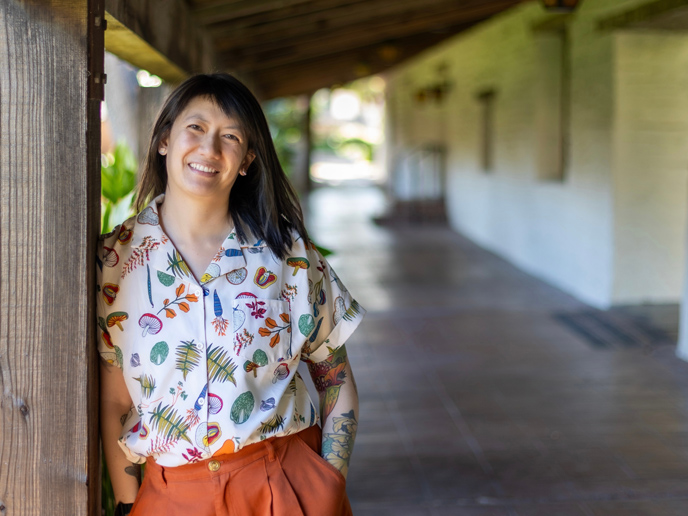
Shanise Mok
AMFT 164358 · SUPERVISED BY MOITREYEE CHOWDHURY, LMFT 121934
LGBTQIA+ · TEENS · ADULTS · COUPLES · TRAUMA
Queer-affirming therapy for teens, adults, older adults, couples, and people in all relationship structures. Works with gender and sexual identity, chronic health conditions, complex trauma, and BIPOC and immigrant experience.

Neeraja Muthal
AMFT 144185 · SUPERVISED BY MOITREYEE CHOWDHURY, LMFT 121934
COUPLES · INDIVIDUAL · FAMILY
Works with adults on anxiety, depression, trauma, grief, work stress, and relationship conflict, drawing on CBT, psychodynamic, and solution-focused approaches. A South Asian immigrant herself, she works closely with clients navigating culture, family expectation, and identity.
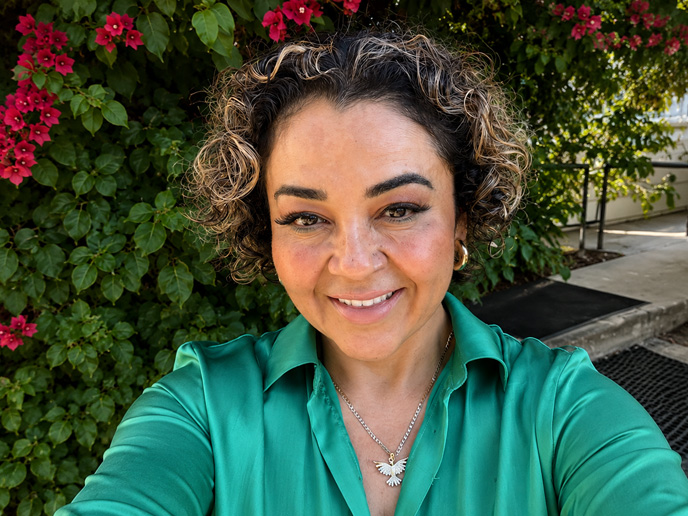
Teresa Gamez DePerez
LMFT 152063 · SPANISH
COUPLES · INDIVIDUAL · TRAUMA · GRIEF
Trauma-informed therapy for adults and couples working through anxiety, depression, infidelity, loss, and generational family patterns. A Latina therapist offering sessions in English and Spanish.

Moitreyee Chowdhury
LMFT 121934 · LPCC 9238 · EMDR
FOUNDER · COUPLES · INDIVIDUAL · FAMILY · TRAUMA
Founder and Clinical Director, practicing in California for over two decades. Works with adults, couples, and families on anxiety, trauma, depression, EMDR and OCD, with particular depth in South Asian and immigrant experience. Sessions in English, Hindi, and Bengali.
“Grief is not something to move through quickly and leave behind. It’s a relationship with loss, one that, given real space, can become part of how you understand your own life.”
You might recognize yourself here
What people carry
when they reach out.

You weren’t there when they died. You’ve never quite forgiven yourself for that.
The grief is for someone you had a complicated relationship with, and that makes it harder to name.
The loss was a miscarriage, an estrangement, a homeland. Something with no ritual attached to it.
Grief is different
when you are far from home.
There’s grief that happens in the middle of a workday, when a message arrives from twelve hours away. Grief managed in a parking lot before you go back inside. Grief put off because you couldn’t afford the flight, or the visa didn’t come through in time.
When someone dies far from where you live, the mourning gets fractured. You may have missed the final days. You may have watched last rites on a phone propped up on a table, faces you hadn’t seen in years grieving together in a room you couldn’t enter. That kind of absence, present but not really there, leaves something unresolved.
Beyond death, there’s the grief of migration itself: the language that doesn’t come as easily anymore, the rituals your kids won’t grow up inside of, the version of yourself you left at a departure gate and never fully got back. This isn’t self-pity. It’s a real loss, and it deserves to be named that way.

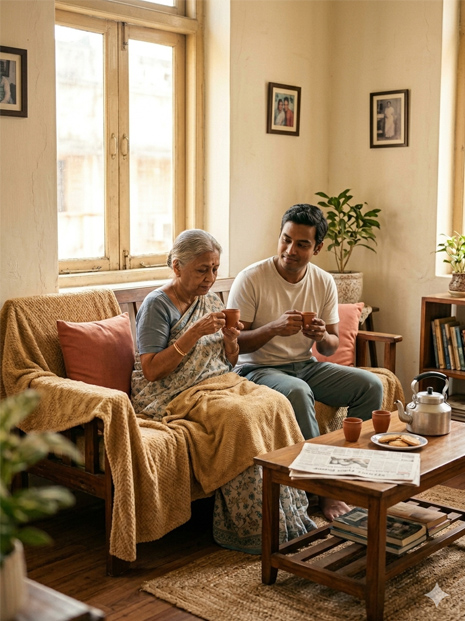
Some grief was
never yours to start.
In many South Asian, East Asian and immigrant families, grief was never talked about much. Not because people didn’t feel it. They felt it plenty. It’s more that survival, migration, and building a life from nothing didn’t leave room for anyone to sit with it out loud. The family carried the grief together. Nobody asked what it felt like on the inside.
But what doesn’t get said doesn’t go away. It gets passed down. You might be carrying loss that happened before you were born: Partition, the Cultural Revolution, a war, a child who died before your parents had you, a marriage that fell apart and was never discussed again. You may not know exactly what you inherited. You just know something heavy is there, and it doesn’t feel like it’s only yours.
Therapy can be a place to trace where that weight came from — not to dig up trauma for its own sake, but to actually understand what you’re carrying. That understanding doesn’t make the weight disappear. But it makes it something you can finally look at directly, and put down.
You kept going.
That doesn’t mean you weren’t grieving.
In Silicon Valley and the communities around Stanford and the Bay Area tech corridor, there’s real pressure to perform through difficulty. People manage teams and sit in meetings while carrying a fresh loss. They keep going, because that’s what’s expected, and because grief in achievement cultures often has nowhere to go.
For immigrants, there’s another layer. You came here at real sacrifice, to succeed. Grief that interrupts that can feel like a betrayal of everything the migration was for. That’s a particularly isolating kind of grief.
Therapy isn’t about stopping your life. For a lot of people, it’s the one hour a week where they don’t have to hold everything together.
Grief lives in the body
long before it finds words.
The tightness in your chest. Smells that arrive without warning. Exhaustion that isn’t like normal tiredness, a heaviness sleep doesn’t fully fix. Appetite that changes. Concentration that fragments at specific points in the day.
The body holds what the mind hasn’t processed yet. This is especially true for grief that got deferred, set aside because migration, caregiving, or work required you to keep functioning. Grief can show up years after the loss, triggered by something that seems unrelated. That’s not instability. That’s your body finally getting permission to feel what it held back.
Therapy that pays attention to the body as well as the mind — including somatic work and, where it fits, EMDR — can reach grief that’s stored in the body and isn’t fully reachable through talking alone.

The other side of grief
Grief, held properly, becomes
the story of belonging.
There’s something on the other side of grief that clinical language doesn’t usually name. It’s not the absence of sadness. It’s something more like continuity. A sense that the people you’ve loved and lost are still part of the story you’re living. The rituals you couldn’t perform, the goodbyes you couldn’t say, the versions of yourself you left behind, these aren’t only absences. They’re also evidence of what mattered. What you carry is a record of what you loved.
For immigrants and diaspora communities, this has a particular shape. Carrying a homeland, a language, a family’s expectations across an ocean, that wasn’t loss without meaning. It was love, just in a different form. Grief, given enough space and honesty, can become part of how you understand your own life story. Less a series of breaks. More a thread running through all of it.
The name of this practice comes from the Sanskrit leela: life as creative, unfolding play. Not trivial play, the full, improvised, sometimes heartbreaking movement of being alive. Grief is part of that. Not an interruption of the story. One of its deepest chapters.

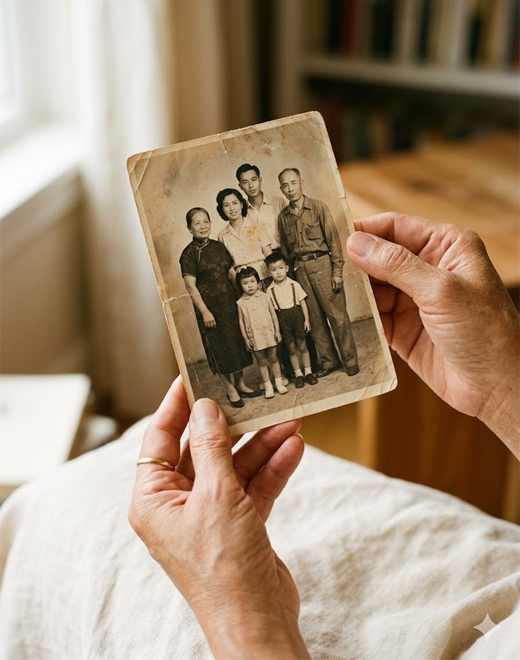

There is no timeline.
There is only what’s true for you.
Grief therapy at Leela isn’t about stages or moving on. It’s about building a real relationship with loss — what it means, how it lives in your body, what it’s cost you, and what you still want your life to look like alongside it.
Cognitive Behavioral Therapy (CBT)
Grief often generates thoughts that make the pain worse: what you should have done, what the loss means about you. CBT helps look at these thoughts honestly, without dismissing them or letting them become fixed truth.
EMDR for Traumatic & Complicated Loss
When a loss is sudden or shocking, the memory can stay raw and intrusive long after. EMDR helps the nervous system process what it hasn’t been able to integrate.
Somatic Awareness
Grief isn’t only a feeling. It’s a body experience too. Somatic work reconnects the physical weight of grief to conscious understanding, and can ease what loss does to the body over time.
Meaning-Making & Narrative Work
At the center of most grief is a story: who the person was, what the loss means for the life that continues. This work helps integrate loss into how you understand your life, without erasing what happened or forcing resolution early.
Family Systems Perspective
Who’s expected to be strong, who’s allowed to fall apart, what grief is supposed to look like: these patterns come from family, culture, and generation. A family systems lens helps clarify what’s actually needed to mourn within, or sometimes apart from, those patterns.
Cultural Responsiveness
What grief looks like, what mourning requires, what counts as moving forward: none of this is universal. It’s shaped by culture, religion, family history, and what it’s like to live between worlds. This work is grounded in real familiarity with South Asian and East Asian cultural contexts, not applied from the outside.
Questions about
grief therapy
What is grief therapy and how does it work?
Approaches used include Cognitive Behavioral Therapy (CBT), EMDR for traumatic or complicated grief, somatic awareness practices, and narrative or meaning-making work. Sessions are tailored to what each person brings — there is no standardized program or fixed sequence. Grief therapy works best when there is room to be honest about the full complexity of what you’re carrying, including feelings that are difficult to name or that feel like they shouldn’t be there.
What is complicated grief, and how is it different from ordinary grief?
Complicated grief is more common after sudden, traumatic, or violent loss, after the death of a child, and in contexts — like immigration — where grief could not be fully processed at the time it occurred. It is not a character flaw or a sign of excessive attachment. It is a recognized clinical presentation that responds well to specialized therapy, including trauma-informed approaches and EMDR where indicated.
What is disenfranchised grief?
Disenfranchised grief can also include the quiet losses of immigration: a homeland, a first language, a community, a version of yourself left behind. What these losses share is that the social acknowledgment and ritual support that normally accompany mourning — funerals, condolences, bereavement leave — are largely absent. Therapy provides a space where every form of loss can be named and held, without hierarchy or the need to justify that what you lost was real enough to grieve.
How does grief affect immigrants and diaspora communities differently?
Grief for immigrants and diaspora communities carries a weight that standard grief frameworks don’t fully account for — timing, ritual, and distance all complicate mourning in ways that rarely get named. Beyond death, there are ongoing, unnamed losses too: a homeland that changed or was idealized, a first language growing less fluent, the sense of not being fully at home anywhere. Therapy addresses grief in its full cultural and biographical context, not as a clinical episode with a start and an end.
What is anticipatory grief?
For people with aging parents in another country, anticipatory grief has a particular texture — watching someone change over video call, fielding medical updates across time zones, carrying a background fear about whether you will be there when the time comes. Therapy can help you stay present with what is still here while making honest space for what is approaching, and can address the practical and emotional complexity of long-distance caregiving and the grief that lives inside it.
What is the difference between grief and depression?
After a significant bereavement, it is common for grief to develop into major depression — particularly if the grief was complicated by traumatic circumstances, lack of social support, or losses that could not be fully processed at the time. In immigrant communities, where grief was often deferred by the pressures of migration, caregiving, and professional obligation, depression arising from unprocessed grief is particularly common. Therapy can help clarify what you are experiencing and determine the most appropriate approach — which may include both grief-specific work and support for depression where it is present.
What is ambiguous loss and how is it addressed in therapy?
Ambiguous loss is especially common in immigrant and diaspora families, where physical distance, estrangement, and illness at a distance create ongoing uncertainty without resolution. Therapy for ambiguous loss does not aim at false closure. Instead it supports the development of meaning and stability in the presence of ongoing uncertainty — learning to grieve without a clear ending, to reorganize your understanding of a relationship or a life around something that is real even though it remains unresolved.
Do you offer grief therapy via telehealth in California?
Leela Mental Health offers grief therapy via telehealth to clients throughout California, in addition to in-person sessions at the Palo Alto office at 220 California Avenue, Suite 105. Telehealth is available to California residents regardless of location — including the greater Bay Area, Los Angeles, San Diego, Sacramento, the Central Valley, and throughout the state. This includes Stanford and UC Berkeley students enrolled in Wellfleet SHIP (Blue Shield of CA PPO), for whom Leela Mental Health is an in-network provider.
Sessions are conducted through a HIPAA-compliant platform. Leela Mental Health is also in-network with Lyra Health EAP. For new clients, please contact the practice at (650) 206-9448 or information@leelamentalhealth.com to discuss scheduling and current availability.

Good Faith Estimate: You have the right to a written estimate of what your care will cost before your first session. Read the full Good Faith Estimate notice. Read the full notice ➞
988 Suicide & Crisis Lifeline
Free, confidential 24/7 support for people in distress. Call or text — they will answer.
Crisis Text Line
Free 24/7 text-based crisis support from a trained counselor.
Emergency Services
If you or someone else is in immediate danger, please call 911 or go to your nearest emergency room.
Other services at
Leela Mental Health
Individual Therapy
For one partner working through their own patterns before or alongside couples work.
ADHD Therapy
Inattentive, hyperactive-impulsive, and combined. These are the patterns that bring families and individuals to the practice.
Trauma & EMDR
For relational triggers that are larger than the present moment — stored responses that require specific processing.
South Asian Therapy
The practice built for South Asian, East Asian, and multicultural clients navigating the full weight of where they came from.
Depression Therapy
For South Asian, East Asian, and immigrant clients carrying what the world never gave space to name.
Child Teen Therapy
A parent consultation at Leela Mental Health — with you alone, before your child has agreed to anything.
Couples Therapy
Couples therapy and marriage counseling in Palo Alto for South Asian, East Asian, and immigrant couples.
Parent & Family Therapy
For South Asian, East Asian, and immigrant families, this is not abstract. The family often spans generations & continents.
Something in this has been
waiting for a room where
it can be said plainly.
Reach out to Leela Mental Health team to determine whether this practice is the right place for what you are carrying.
When you are ready, this is where to begin.
We respond within 48 hours.