You don’t have to find your way through this alone.
These resources are gathered with care for the diaspora, for the in-between, for lives that don’t fit neatly into Western frameworks. For those who’ve been told to just be grateful. Browse at your own pace.

About this page
Everything here is offered as information and starting points — not clinical advice, not a referral. Leela Mental Health has no affiliate arrangements or paid placements with any resource listed. Phone numbers were verified May 2026; always confirm directly with each organization. If you are in crisis right now, call or text 988.
Last reviewed: · Questions:information@leelamentalhealth.com · Book images used under 17 USC §107 fair use (educational commentary, no revenue)
Crisis Lines & Bay Area Support
Organized by county. Every number individually verified. National lines work anywhere in the US. Don’t know your county? Call or text 988 — it works everywhere.
Emergency
911
Life-threatening — ask for CIT officer
Suicide & Crisis Lifeline
988
Suicide & Crisis Lifeline
Crisis Text Line
Text HOME to 741741
Free, confidential texting with a crisis counselor
The Trevor Project (LGBTQ+ Youth)
(866) 488-7386
Text START to 678-678 · thetrevorproject.org
Trans Lifeline
(877) 565-8860
Run by and for trans people, 24/7
SAMHSA Helpline (Substance Use)
(800) 662-4357
Free, confidential, 24/7
Santa Clara County Suicide & Crisis Line
(855) 278-4204
24/7, confidential and anonymous. Santa Clara County Behavioral Health Services.
Uplift Family Services Mobile Crisis
(408) 379-9085
In-person crisis response, Santa Clara County. Hours vary — confirm when calling. After hours: call 988 or 911.
Santa Clara County Mental Health Urgent Care
Walk-in for county residents. Screening, assessment, crisis intervention. Visit bhsd.sccgov.org for current locations and hours.
Santa Clara Valley Medical Center
751 South Bascom Ave, San Jose, CA 95128. Psychiatric evaluation through the ER. Call 911 or go directly if in crisis.
Bill Wilson Center
(408) 245-3730
Youth mental health and housing crisis services in Santa Clara County.
Billy DeFrank LGBTQ+ Community Center
938 The Alameda, San Jose 95126 · billydefrank.org · Referrals, programs, community.
San Mateo County Crisis Line
(650) 579-0350
Primary county line, 24/7. Operated by Telecare on behalf of SMCH.
South County Crisis Hotline
(650) 368-6655
24/7 for southern San Mateo County residents.
Coastside Crisis Hotline
(650) 726-6655
24-hour support for the Half Moon Bay and Coastside area.
San Mateo Medical Center
(650) 573-2662
222 W 39th Ave, San Mateo. Psychiatric emergency consultation.
Mills-Peninsula Medical Center
(650) 696-5915
1501 Trousdale Dr, Burlingame. Psychiatric emergency consultation.
CORA
(800) 300-1080
Communities Overcoming Relationship Abuse. Emergency housing, legal assistance, support.
San Mateo County Parent Support Line
(888) 220-7575
Also: (650) 567-5437. Support for caregivers under stress. Not a 24-hour emergency line.
NAMI HelpLine
(650) 638-0802
Support for individuals and families navigating mental illness. Not a 24-hour crisis line.
Alameda County Mental Health Treatment & Referral
(800) 491-9099
Countywide, 24/7. TTY: (800) 533-5018.
Crisis Support Services of Alameda County
Text SAFE to 20121 (4–11pm daily). Chat and full hours: crisissupport.org. Counselors with lived mental health experience.
Alameda County Mobile Crisis Team
(510) 891-5600
Mon–Fri 8am–6pm countywide. Two licensed clinicians respond in-person. After hours: 988 or 911.
Berkeley Mobile Crisis Unit
(510) 981-5900
Berkeley and Albany only. Rest of county: (800) 491-9099.
Second Chance, Inc. — South Alameda
(510) 792-4357
Mon–Fri 8am–10pm. Emotional support warmline — not a 24-hour crisis line.
Boys Town / Your Life Your Voice
(800) 448-3000
24/7. Text, chat, and email options also available at yourlifeyourvoice.org
Contra Costa Crisis Center
(800) 833-2900
Also: (925) 938-0725. Crisis text: text HOPE to 20121, Mon–Fri 3–11pm.
Contra Costa County Crisis Line
(888) 678-7277
County mental health crisis services available around the clock.
Contra Costa Grief Line
(800) 837-1818
Specialized grief counseling through the Contra Costa Crisis Center.
Teen Line — Teens Helping Teens
(310) 855-4673
Text TEEN to 839863. Nightly 6–10pm PT. Teens supporting teens.
SF Crisis Counseling & Referral
(415) 781-0500
SF Department of Public Health. Also use 988 for all California residents.
SFDPH Mobile Crisis
(415) 970-4000
SF Department of Public Health mobile mental health response.
GLBT National Hotline
(888) 843-4564
Peer support. SF local: (415) 355-0999. Youth Talkline: (800) 246-7743.
Queer LifeSpace
Affordable therapy and groups for LGBTQ+ community in SF. Sliding scale. queerlifespace.org
Institute on Aging Friendship Line
(415) 752-3778
24/7 emotional support for older adults and adults with disabilities.
SF Child Abuse Prevention Talk Line
(415) 647-1234
Confidential support for parents and caregivers under stress.
Reading & Reflection
Books Worth Sitting With
A library — diaspora experience, identity, intergenerational trauma, and healing. Two sections: stories that mirror your experience, and books that explain what happened in your body and mind. Take what resonates. These are not clinical prescriptions, and not every book here has been read in full by us.
Identity, Diaspora & Memoir
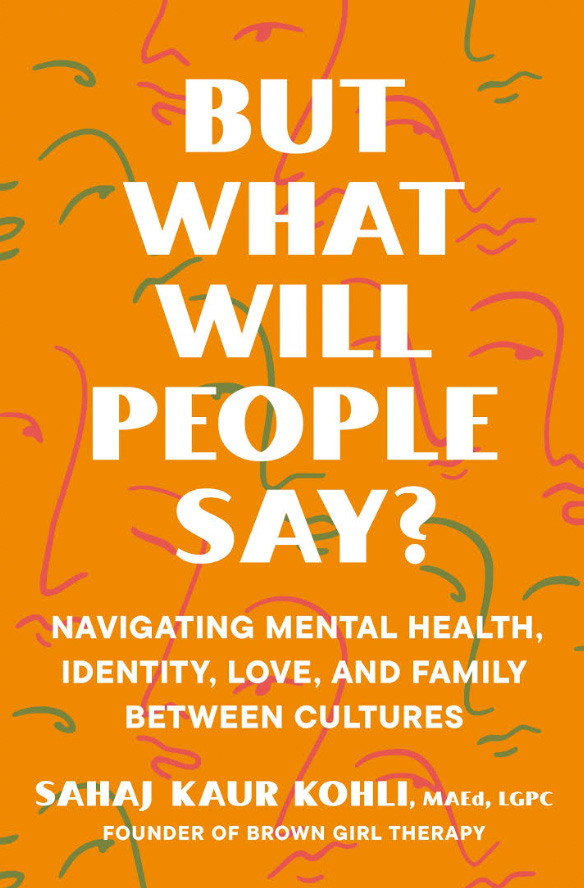
But What Will People Say?
Sahaj Kaur Kohli
By the founder of Brown Girl Therapy. Mental health as the child of immigrants — generational trauma, guilt, boundaries, and breaking stigma while honoring where you came from. Written specifically for first-generation South Asians.
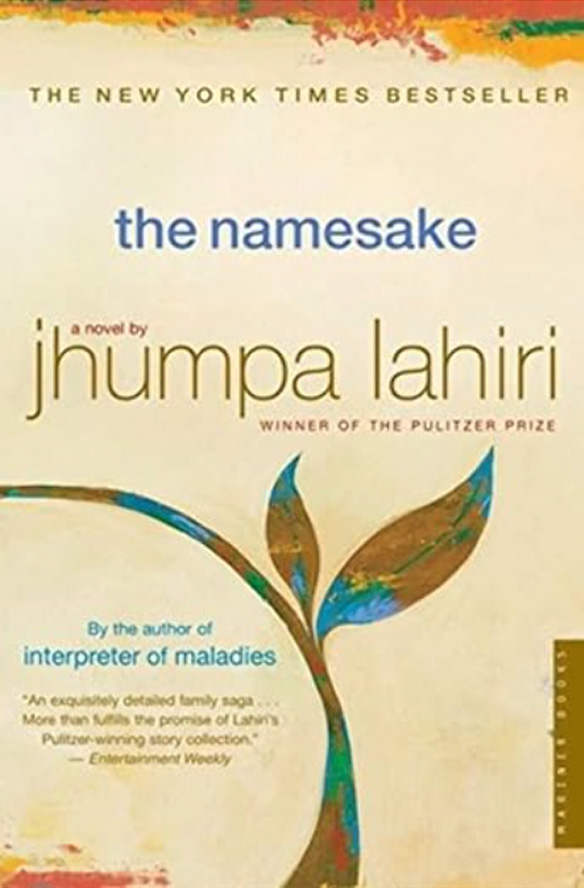
The Namesake
Jhumpa Lahiri
A touchstone for first-generation South Asian Americans — the weight of names, expectation, belonging between two worlds. Not a self-help book. A mirror. Often more clarifying than it is comfortable.

What My Mother and I Don't Talk About
Michele Filgate (ed.)
Fifteen writers explore the silences and unspeakable weight of mother-child relationships. Deeply relevant to first-generation readers carrying family ruptures that have never been named.

I Want to Die but I Want to Eat Tteokpokki
Baek Se-hee
Real transcripts of therapy sessions with a Korean psychiatrist — depression, dysthymia, self-criticism, and the everyday desire to keep living anyway. Intimate, dry, unexpectedly hopeful. Originally written in Korean.

Pachinko
Min Jin Lee
Four generations of a Korean family — shame, survival, identity, and what gets passed down that was never spoken aloud. One of the most powerful novels on intergenerational patterns and the cost of silence.
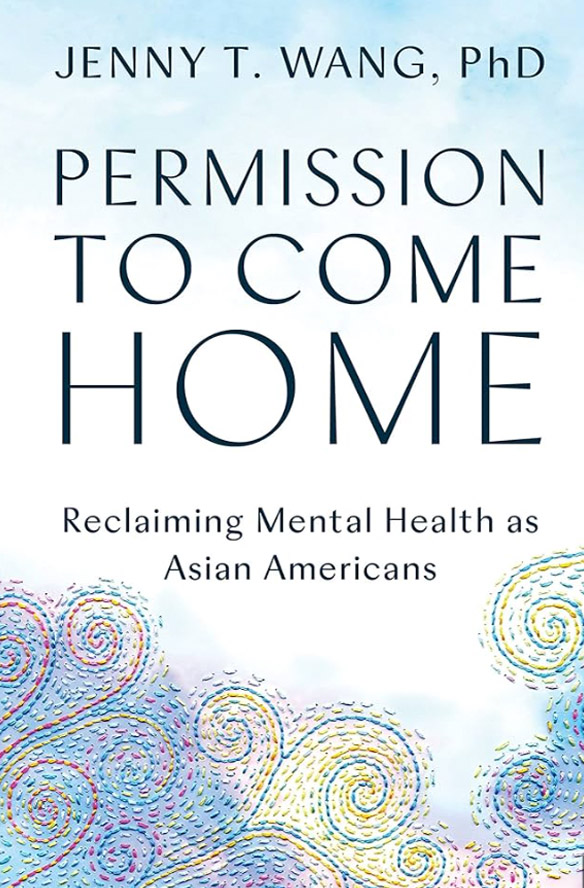
Permission to Come Home
Jenny T. Wang, PhD
A psychologist’s guide for Asian Americans reclaiming mental health — perfectionism, family loyalty, cultural shame, and what it looks like to take care of yourself within a collectivist framework. Clinically grounded and deeply readable.
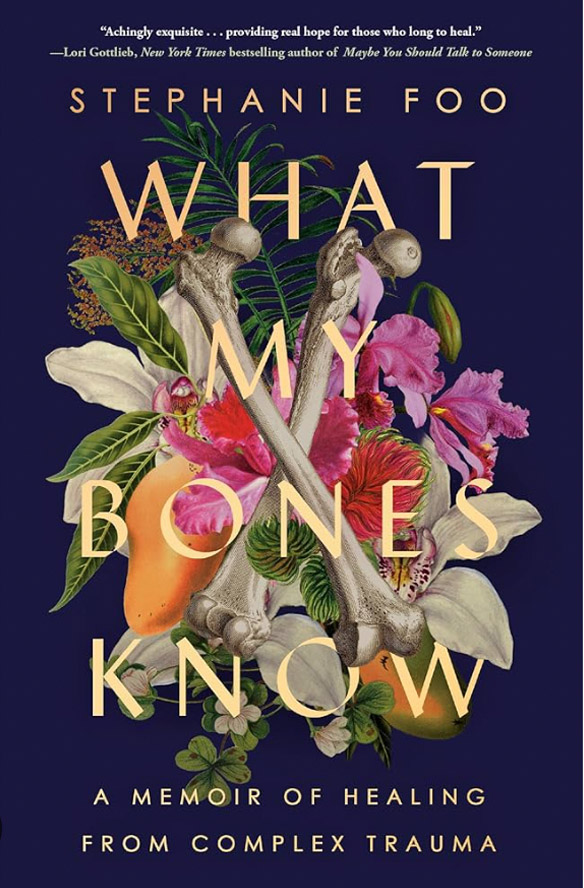
What My Bones Know
Stephanie Foo
A Southeast Asian American journalist’s search for a diagnosis and recovery from complex PTSD. Rigorous, personal, and one of the most honest accounts of what healing actually looks like — non-linear and imperfect.
Resources in South Asian Languages
Via MannMukti & iCall India (TISS)
Mental health writing in Hindi, Urdu, Bengali, Tamil, and Gujarati. Start at mannmukti.org (search by language) and icallhelpline.org from Tata Institute of Social Sciences. Free downloads available.
Trauma, Healing & the Body
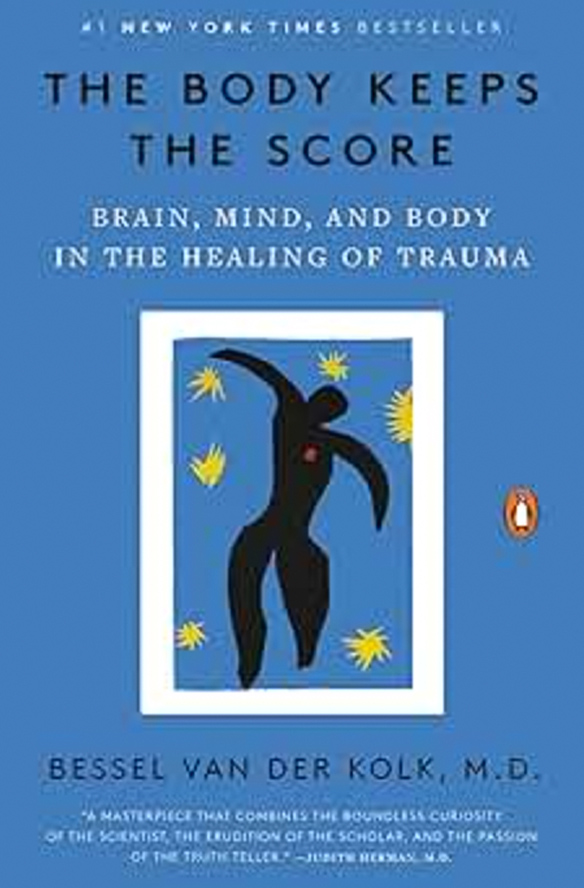
The Body Keeps the Score
Bessel van der Kolk, MD
The most-cited trauma book of the past two decades. How trauma reshapes brain, mind, and body — and the many paths toward recovery. Dense but accessible. A starting point for almost any trauma conversation.
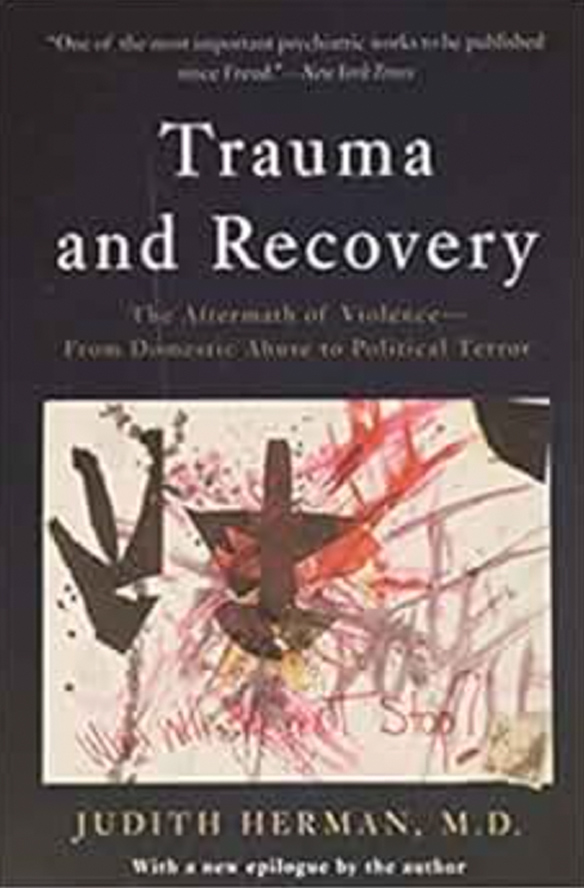
Trauma and Recovery
Judith Lewis Herman, MD
The foundational clinical text on complex trauma — domestic violence, childhood abuse, political terror. Harvard psychiatrist Herman established the framework still used today. Updated 2022. Essential reading for anyone seeking to understand how trauma operates systemically.
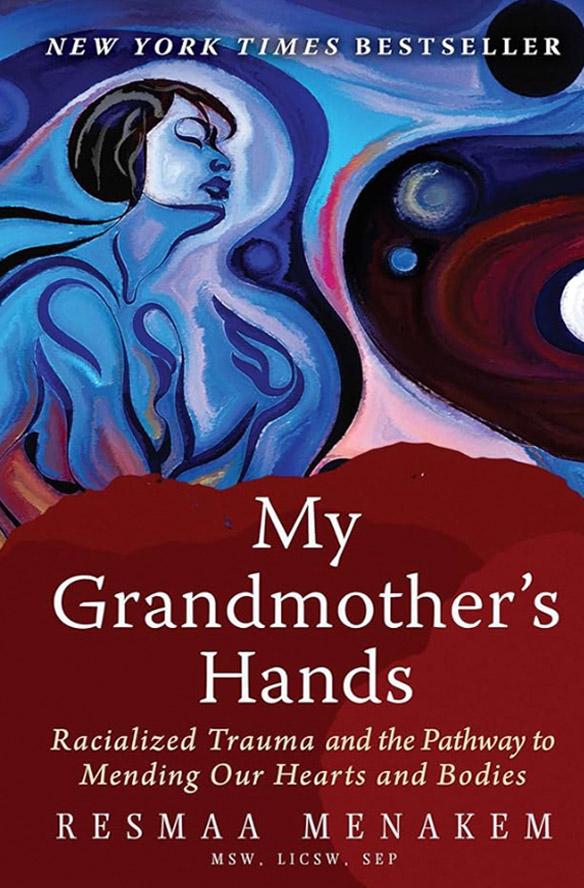
My Grandmother's Hands
Resmaa Menakem
Racialized trauma lives in the nervous system, not just the mind. Therapist Menakem traces how generational racial trauma embeds in bodies across generations — and offers somatic practices for healing. Essential for BIPOC readers navigating compounded stress.
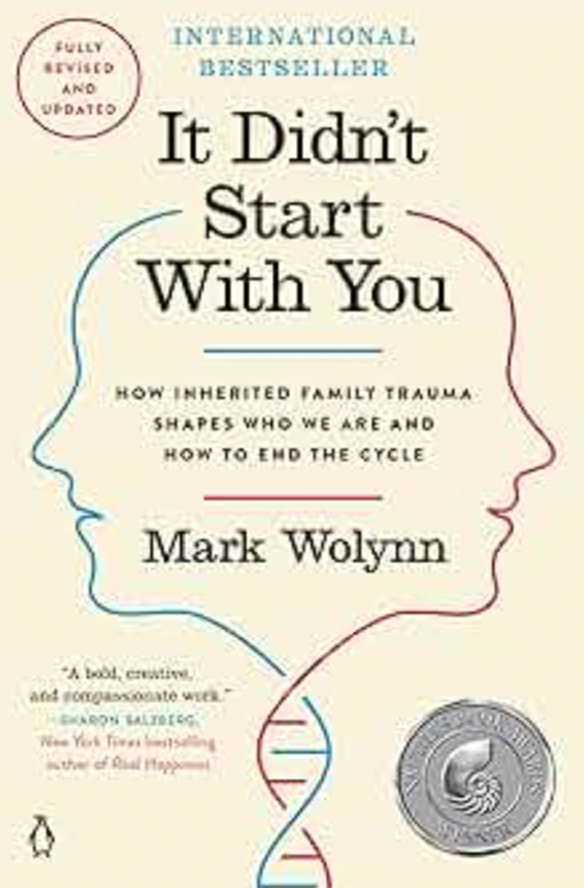
It Didn't Start with You
Mark Wolynn
How family trauma is inherited — and how to interrupt patterns you didn’t create. Practical and accessible. Directly relevant to immigrant and diaspora families carrying unspoken grief across generations.
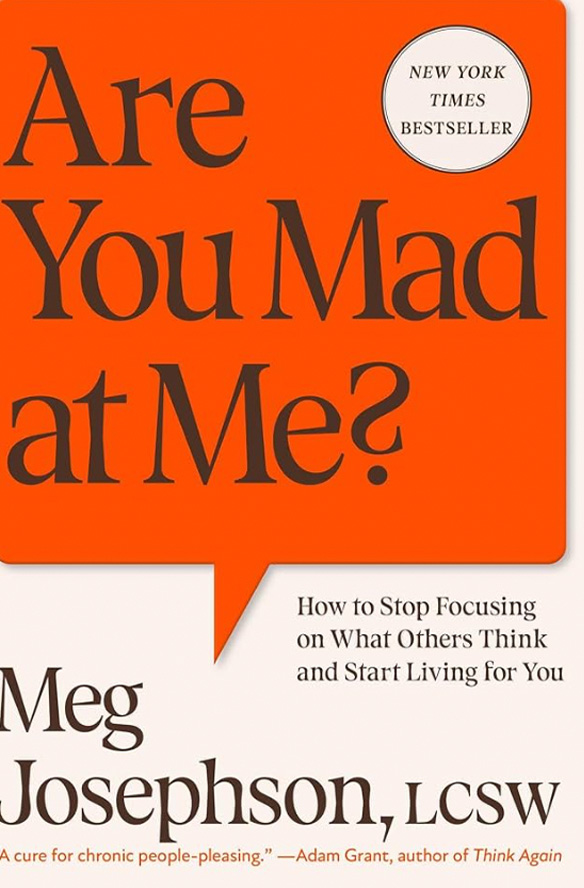
Are You Mad at Me?
Meg Josephson, LCSW
NYT Bestseller 2025. People-pleasing is not a personality trait — it is a trauma response called fawning. Josephson names the archetypes (peacekeeper, perfectionist, chameleon) and offers a practical path toward your own needs. Deeply resonant for high-achieving diaspora readers.
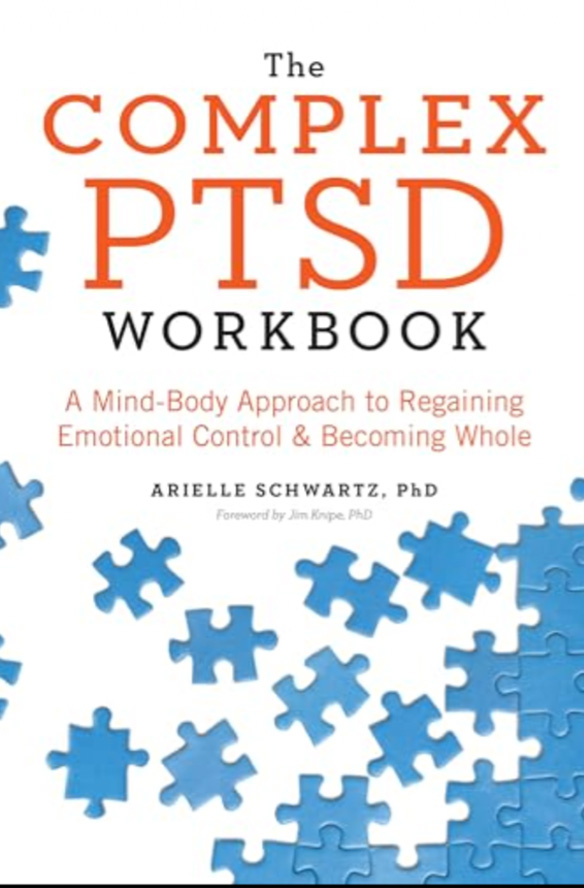
The Complex PTSD Workbook
Arielle Schwartz, PhD
A mind-body approach to healing complex PTSD — somatic psychology, mindfulness, and EMDR-informed exercises for self-guided work. Dr. Schwartz is an EMDRIA-approved trainer. Used in clinical settings and as between-session homework.
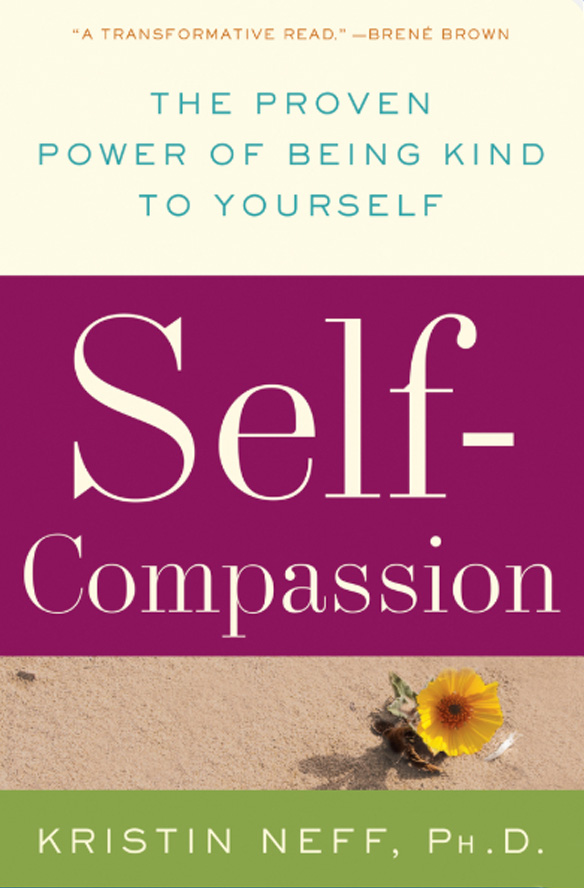
Self-Compassion
Kristin Neff, PhD
A Southeast Asian American journalist’s search for a diagnosis and recovery from complex PTSD. Rigorous, personal, and one of the most honest accounts of what healing actually looks like — non-linear and imperfect.
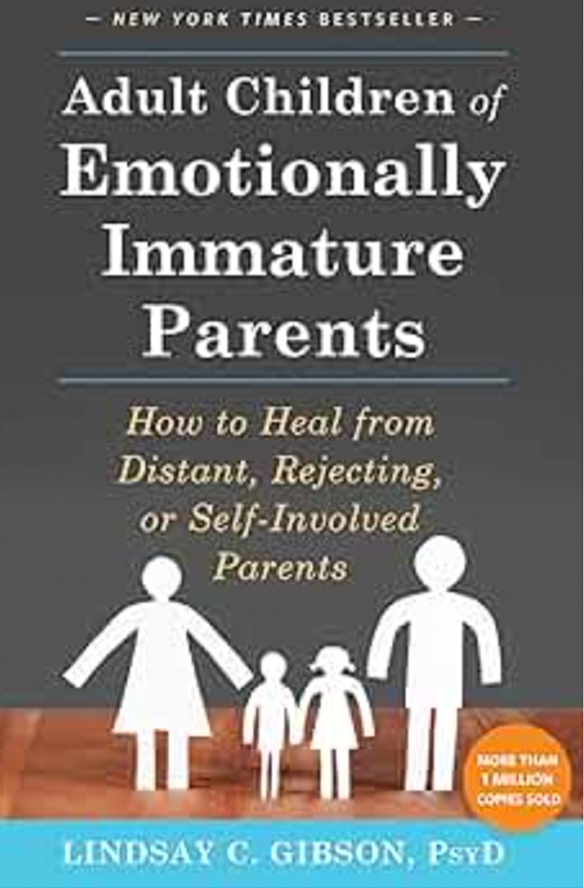
Adult Children of Emotionally Immature Parents
Lindsay C. Gibson, PsyD
One of the most-requested books in therapy. Helps adult children recognize patterns from emotionally unavailable, self-involved, or inconsistent parents — and begin to disentangle without requiring parents to change first.
Listen & Learn
Podcasts & Mindfulness
South Asian & Diaspora Voices
Bridges Mental Health — three APISAA licensed therapists
Beyond the Couch
AAPI and South Asian American identity meets mental health — clinically grounded, culturally specific. Hosted by three working therapists. Actively updated.
South Asian Sexual & Mental Health Alliance (SASMHA)
Brown Taboo Project
South Asian identity, LGBTQ+ issues, sexuality, and cultural taboos — with candor and depth. One of the most specific and important podcasts in this space. Essential for queer South Asian listeners.
MannMukti nonprofit — South Asian mental liberation
Stories of Stigma — MannMukti
Real stories of South Asian people navigating mental health — shame, stigma, family, culture. Founded after a loss to mental illness in the South Asian community.
Priya, Deepti, and Uma — Silicon Valley
Desi American Life
Three children of Indian immigrants in Silicon Valley discussing LGBTQ+ acceptance, mental health, dating, and family expectations. Bay Area-rooted; local listeners will recognize the terrain immediately.
South Asian feminist perspective — multi-award-winning
Masala Podcast
Award-winning South Asian feminist podcast on sexuality, shame, mental health, gender, and menopause — subjects that don’t get discussed in most households. The largest South Asian women-centered podcast.
Ji Eun Ko, LMFT — licensed therapist
The Full Well
Asian American identity at the intersection of mental health — lived experiences, belief systems, and what it means to be fully yourself. Slow, clinically grounded, and honest.
Nisha Mody — Los Angeles
MigrAsians
Creative and politically engaged Asians whose migration stories shape their art, activism, and healing. Explores how migration history and the model minority myth affect mental wellness. Thoughtful, unhurried, excellent.
Saadia Khan — 2021 Best Asian Culture Award
Immigrantly
Uses history and current events to explore the immigrant experience across cultures. Honest about the emotional cost of migration and what it means to belong somewhere new while still carrying somewhere else.
Mindfulness & Meditation
Dan Harris — former ABC News anchor
10% Happier
Started after Harris had a panic attack on live television. Science-based, deeply secular, zero spiritual requirements. The most accessible entry point for reluctant meditators. Skepticism welcomed. Also an app.
Dr. Rick Hanson & Forrest Hanson
Being Well
Neuroscience, psychology, and mindfulness explored by a father-son duo — one a researcher, one a practitioner. Warm, grounded, consistently excellent. Strong for analytically minded listeners who want the science behind the practice.
Tara Brach, PhD — psychologist & meditation teacher
Tara Brach
Western psychology meets mindfulness — weekly talks and guided meditations on anxiety, grief, self-compassion, and presence. Buddhist-informed but not Buddhist-exclusive. One of the most widely trusted voices in trauma-sensitive mindfulness.
South Asian Community
South Asian Mental Health Organizations
MannMukti
Nonprofit removing the stigma surrounding South Asian mental health. Storytelling platform, podcast, provider database, and resources organized by faith and language. Founded after a loss to mental illness. Name means “mental liberation” in Hindi.
SAMHIN — South Asian Mental Health Initiative & Network
Provider directory searchable by location, specialty, and language (Hindi, Urdu, Bengali, Punjabi, Tamil, and more). Active community events and education nationwide.
SASMHA — South Asian Sexual & Mental Health Alliance
The intersection of South Asian identity, sexuality, and mental health. Runs the Brown Taboo Project podcast. Specific and important resources for LGBTQ+ South Asian experience.
Asian Mental Health Collective (AMHC)
Therapist directory with 3,000+ profiles, virtual support groups, Lotus Therapy Fund for those who can’t afford care, and educational community content for the Asian diaspora.
South Asian Therapists Directory
The largest global directory of South Asian therapists. Searchable by zip code, language, and specialty. Hindi, Bengali, Urdu, Punjabi, Tamil, Gujarati, Sinhala, and more.
Desi LGBTQ+ Helpline (DEQH)
Peer support helpline for LGBTQ+ South Asians, staffed by volunteers with shared lived experience. No clinical gatekeeping — just community. Thu & Sun 8–10pm ET (5–7pm PT).
Brown Girl Therapy
Founded by Sahaj Kaur Kohli, author of But What Will People Say? Psychoeducation, community, and resources for children of immigrants navigating bicultural mental health.
Asian Mental Health Project
Personal stories from Asians about therapy experiences — normalizing the conversation through honesty. Educator and empowerment-focused resources for Asian communities seeking care.
iCall India — TISS Helpline
Psychosocial helpline from Tata Institute of Social Sciences, Mumbai. Counseling in English, Hindi, and multiple Indian languages. Relevant for clients with family in India or for connecting trans-national families to culturally grounded support.
Affirming Care & Community
LGBTQ+ Resources & Support
South Asian LGBTQ+ Organizations
Trikone (Bay Area — Est. 1986)
The world’s oldest LGBTQ+ South Asian organization, founded in San Francisco. Community events, advocacy, cultural programming. Women of Trikone and Parents of Trikone subgroups. “Trikone” (त्रिकोण / তিরিকোণ) means “triangle” across many South Asian languages.
Desi LGBTQ+ Helpline (DEQH)
Peer support helpline for LGBTQ+ South Asians, staffed by volunteers with shared lived experience. Thu & Sun, 8–10pm Eastern (5–7pm Pacific).
SASMHA — Brown Taboo Project
South Asian Sexual & Mental Health Alliance. LGBTQ+ and mental health resources for the South Asian community. Podcast, educational resources, and community organizing.
NQAPIA — National Queer Asian Pacific Islander Alliance
Promotes acceptance of LGBTQ+ people among Asian Americans, South Asians, Southeast Asians, and Pacific Islanders. National advocacy, visibility, and community connection.
Bay Area LGBTQ+ Affirming Organizations
PFLAG San Francisco
Support for LGBTQ+ individuals, parents, families, and allies. Monthly peer support groups. PFLAG Connects meetings specifically for AAPI community members — in-person and virtual.
PFLAG San Jose / Peninsula
Serving Silicon Valley — support, education, advocacy, and gender-affirming care referrals. Resources specific to trans youth and parents of LGBTQ+ young people.
Billy DeFrank LGBTQ+ Community Center
Silicon Valley’s LGBTQ+ community hub — programs, leadership, advocacy, and services. 938 The Alameda, San Jose, CA 95126.
SF LGBT Center
Wide range of programs including financial services, immigration support, and Trans Employment Program. 1800 Market St, San Francisco, CA 94102.
Queer LifeSpace (San Francisco)
Affordable mental health and substance use services for the LGBTQ+ community in SF. Sliding-scale therapy and weekly groups available.
UCSF Gender Affirming Health Program
Multi-disciplinary care for transgender and non-binary adults. UCSF Child & Adolescent Gender Center serves youth; San Mateo satellite clinic available.
LGBTQ+ Crisis & Peer Support Lines
The Trevor Project
(866) 488-7386 24/7 for LGBTQ+ youth. Text START to 678-678. Chat: thetrevorproject.orgLGBT National Hotline
(888) 843-4564 Peer support. Youth Talkline: (800) 246-7743. SF: (415) 355-0999.Desi LGBTQ+ Helpline
(908) 367-3374 Thu & Sun, 8–10pm ET (5–7pm PT). Peer support for LGBTQ+ South Asians.Finding the Right Fit
Therapist Directories
Asian Mental Health Collective — Therapist Directory
3,000+ Asian therapists across the US and Canada. Filterable by location, specialty, and cultural background. Free to search, no account required.
South Asian Therapists
Largest global directory of South Asian therapists. Searchable by zip code, language, and specialty. Hindi, Bengali, Urdu, Punjabi, Tamil, Gujarati, and more.
Inclusive Therapists
Liberation-oriented directory centering BIPOC, LGBTQ+, neurodivergent, and disability-justice aligned therapists. Many providers serving South Asian and immigrant communities.
MannMukti Provider Database
South Asian mental health providers searchable by city. Built in collaboration with the Asian American Psychological Association’s Division on South Asian Americans.
National Queer & Trans Therapists of Color Network (NQTTCN)
Healing justice organization connecting LGBTQ+ clients of color to affirming, trauma-informed therapists. Directory of QTBIPOC therapists across the US.
Psychology Today Directory
Broad national directory. Filter by “South Asian,” “Asian,” languages spoken, and “LGBTQ+-affirming.” Useful for finding local providers accepting specific insurance plans.
On finding the right fit: It is completely reasonable to speak with several therapists before choosing one. You are allowed to ask a therapist directly about their experience with South Asian clients, immigrant families, or LGBTQ+ issues.
Frequently Asked
Questions
What mental health crisis resources are available in Santa Clara County?
Leela Mental Health has verified the following crisis resources for Santa Clara County: The Santa Clara County Suicide and Crisis Line at (855) 278-4204 is available 24/7, confidential and anonymous. The national 988 Lifeline (call or text) works nationwide. For in-person response, the Uplift Family Services Mobile Crisis Team at (408) 379-9085 provides field response during daytime hours. Walk-in psychiatric urgent care is available through Santa Clara County Behavioral Health Services — visit bhsd.sccgov.org for current locations. In a life-threatening emergency, call 911 and request a Crisis Intervention Trained (CIT) officer.
Are there mental health resources for South Asian immigrants in the Bay Area?
Leela Mental Health has gathered several South Asian-specific mental health resources for Bay Area residents. MannMukti (mannmukti.org) offers a provider database, podcast, and resources organized by language and faith. SAMHIN (samhin.org) maintains a provider directory searchable by location and language spoken — including Hindi, Bengali, and Urdu. The South Asian Therapists directory (southasiantherapists.org) lists clinicians speaking multiple South Asian languages. Trikone (trikone.org), founded in 1986 in San Francisco, is the world’s oldest LGBTQ+ South Asian organization. iCall India (icallhelpline.org) from Tata Institute of Social Sciences offers counseling in Hindi and other Indian languages for trans-national families.
What books do therapists recommend for intergenerational trauma in immigrant families?
Leela Mental Health suggests these books on intergenerational trauma for immigrant and diaspora families: “It Didn’t Start with You” by Mark Wolynn explores inherited family trauma patterns. “The Body Keeps the Score” by Bessel van der Kolk explains somatic trauma response. “Trauma and Recovery” by Judith L. Herman MD is the foundational clinical text on complex trauma, updated 2022. “Are You Mad at Me?” by Meg Josephson LCSW names people-pleasing as a fawn trauma response — deeply resonant for high-achieving diaspora readers. “But What Will People Say?” by Sahaj Kaur Kohli addresses mental health as the child of South Asian immigrants. All titles are available at Santa Clara County and San Mateo County public libraries. These are starting points — not clinical prescriptions.
What LGBTQ+ mental health resources exist for South Asian individuals in the Bay Area?
Leela Mental Health has identified these affirming LGBTQ+ resources for South Asian Bay Area residents: Trikone (trikone.org), founded in 1986 in San Francisco, is the world’s oldest LGBTQ+ South Asian organization with ongoing community events. The Desi LGBTQ Helpline (deqh.org, (908) 367-3374) offers peer support on Thursdays and Sundays 8–10pm ET. SASMHA (sasmha.org) addresses the intersection of South Asian identity, sexuality, and mental health through the Brown Taboo Project podcast. PFLAG San Jose/Peninsula (pflagsanjose.org) serves Silicon Valley with support groups and gender-affirming care referrals. The NQTTCN (nqttcn.com) connects LGBTQ+ people of color to affirming therapists nationwide.
What is the crisis line for San Mateo County?
Leela Mental Health, located in Palo Alto near the San Mateo County border, refers to the San Mateo County Crisis Line at (650) 579-0350, available 24/7 and operated by Telecare. South County residents may call (650) 368-6655. Coastside and Half Moon Bay: (650) 726-6655. The national 988 Lifeline (call or text 988) works for all California residents. For psychiatric emergencies: San Mateo Medical Center at (650) 573-2662 and Mills-Peninsula Medical Center at (650) 696-5915. For domestic violence, CORA’s 24/7 line is (800) 300-1080.
Are there mental health podcasts in Hindi or other South Asian languages?
Leela Mental Health acknowledges this space is growing but still limited. MannMukti (mannmukti.org/podcasts) maintains resource lists organized by language and faith including Hindi, Urdu, and Bengali materials. iCall India (icallhelpline.org) from Tata Institute of Social Sciences produces webinars and psychoeducation in Hindi and other Indian languages. The Brown Taboo Project (sasmha.org) covers topics particularly relevant to Hindi and Urdu speakers. The English-language podcasts “Beyond the Couch,” “Desi American Life,” and “Stories of Stigma” all address South Asian cultural context accessible to speakers of any background.