
You keep arriving at
the same fight.The fight is not the problem.
Couples therapy and marriage counseling in Palo Alto for South Asian, East Asian, and immigrant couples. We work with what both people brought in long before they met. In person and by telehealth across California. English, Hindi, Marathi, Bengali, Cantonese, Mandarin and Spanish
Sessions in English · Hindi · Bengali · Marathi · Cantonse · Mandarin · Spanish
What Brings Couples Here
The argument changes.
The pattern underneath it doesn’t.
The same fight, returning
Conflict cycles · Escalation
The topic rotates — money, in-laws, parenting, sex, work. The shape of the argument does not. One partner escalates; the other withdraws. Or both escalate. Either way, nobody feels heard, nobody lands the repair, and both of you are exhausted by something that keeps arriving anyway.
Functional. Distant.
Emotional distance · Parallel lives
The logistics run well. The children are cared for. Both of you deliver at work. But the relationship underneath the system has grown thin — and at some point you noticed the distance between you had become the loudest thing in the house. You are more like co-managers than partners, and you are not sure when it happened.
What you brought in before you met
Intergenerational patterns · Backstory
The way one of you responds to conflict. The way the other shuts down. The triggers that seem disproportionate to the moment. These often have roots long before this relationship began — in what someone learned in their family of origin about anger, need, silence, loyalty. It got handed to them before they had language for it. And it showed up, intact, in this relationship.
The pressure that lives outside the room
Family systems · Cultural expectation
Whose family gets the holidays. Whose parents are moving closer. The expectation that you will be a certain kind of couple inside your community, your family, your parents’ idea of what a good marriage looks like. For immigrant couples, this is rarely background noise. It is often the argument itself, just wearing a different name.
The turning point that cracked something open
Life transitions · Rupture
A fertility journey. A loss. A parent’s illness. A relocation. A career that imploded or took off. Life transitions do not cause relational problems — they reveal what was already present. The couple managing fine before the event often finds the event has made managing impossible.
Trust that broke — and hasn’t rebuilt
Repair · Betrayal · Recovery
An affair, discovered or disclosed. A financial deception. A betrayal that was not sexual but was complete. Or an accumulation of smaller ruptures that have made the foundation uncertain. Trust is not rebuilt by deciding to trust again. It requires specific, structured work. That work is available here.
The Team
The people you’d be working with.
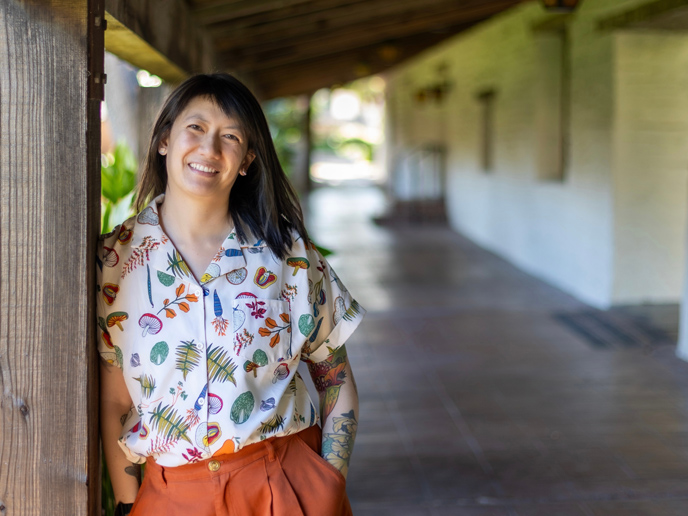
Shanise Mok
AMFT 164358 · SUPERVISED BY MOITREYEE CHOWDHURY, LMFT 121934
LGBTQIA+ · TEENS · ADULTS · COUPLES · TRAUMA
Queer-affirming therapy for teens, adults, older adults, couples, and people in all relationship structures. Works with gender and sexual identity, chronic health conditions, complex trauma, and BIPOC and immigrant experience.
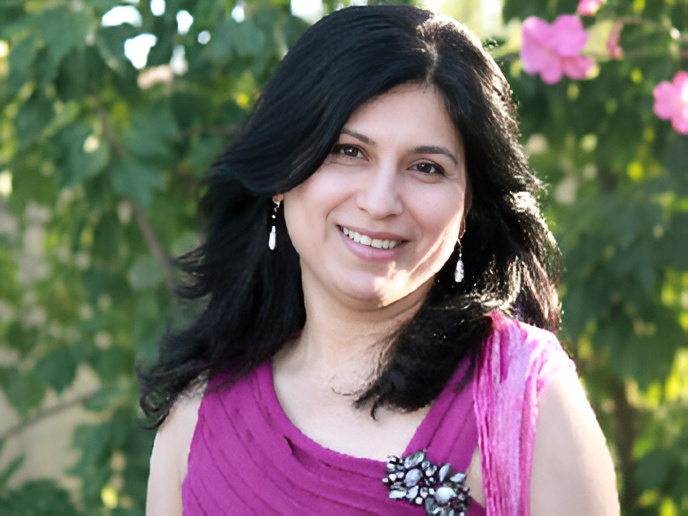
Neeraja Muthal
AMFT 144185 · SUPERVISED BY MOITREYEE CHOWDHURY, LMFT 121934
COUPLES · INDIVIDUAL · FAMILY
Works with adults on anxiety, depression, trauma, grief, work stress, and relationship conflict, drawing on CBT, psychodynamic, and solution-focused approaches. A South Asian immigrant herself, she works closely with clients navigating culture, family expectation, and identity.
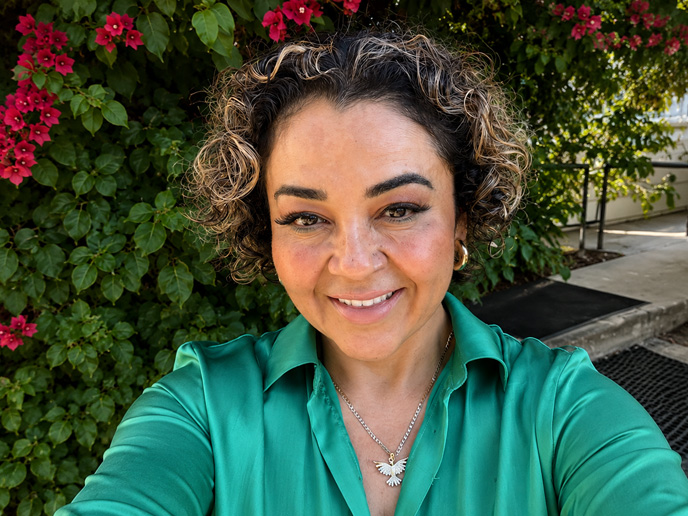
Teresa Gamez DePerez
LMFT 152063 · SPANISH
COUPLES · INDIVIDUAL · TRAUMA · GRIEF
Trauma-informed therapy for adults and couples working through anxiety, depression, infidelity, loss, and generational family patterns. A Latina therapist offering sessions in English and Spanish.
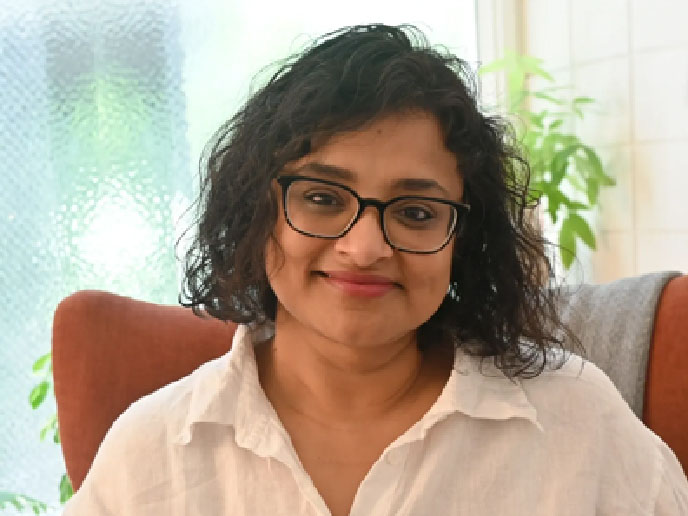
Moitreyee Chowdhury
LMFT 121934 · LPCC 9238 · EMDR
FOUNDER · COUPLES · INDIVIDUAL · FAMILY · TRAUMA
Founder and Clinical Director, practicing in California for over two decades. Works with adults, couples, and families on anxiety, trauma, depression, EMDR and OCD, with particular depth in South Asian and immigrant experience. Sessions in English, Hindi, and Bengali.
“You shouldn’t have to spend the first month of therapy explaining who your family is.”
Who Comes to Leela
Couples who come here
are usually in one of three places.


Before crisis, while there is still room to move

Something broke. You are still here.
Every couple has a history.
Yours started before you met.
The argument a couple keeps having is rarely about what it looks like on the surface. It’s shaped by what each person was taught, before this relationship, about what anger means, what silence means, what needing something means. Those lessons came from somewhere. The families they grew up in. The country they came from, or their parents came from. The thing nobody said aloud but everyone understood.
We’ve spent enough time with South Asian, East Asian, and immigrant couples in the Bay Area to recognize the shape of this. That doesn’t mean we already know your specific story. It means you won’t have to start by explaining what a joint family is, or why saying something out loud isn’t simple. The rest, we still ask.
South Asian Couples
The weight of a marriage that is never only between two people
For South Asian couples — whether the relationship was arranged, love-based, or family-approved — the marriage often exists inside an extended family system that has its own expectations and definitions of what a good couple looks like. The tension between duty and desire, between what the family needs and what the partnership needs, is rarely named directly. It arrives sideways, as conflict.
East Asian Couples
When silence is a communication style, not an absence of feeling
For Chinese American, Korean American, Japanese American, and other East Asian couples, silence in conflict is often not withdrawal. It is what you learned when you grew up in a house where keeping the peace was the rule. Face matters. Shame is real. Saying the hard thing out loud can feel like a betrayal of something larger than just this conversation. The distance that builds over years of not saying it is just as real.
Immigrant Couples
What immigration does to a partnership that nobody warns you about
One partner’s career takes off. The other’s stalls. The person who was the anchor at home is now dependent in a new country. Extended family support is a flight away. Financial stress and isolation arrive together. Immigration does not create relational problems — it strips away the conditions that kept them invisible.
High-Achieving Bay Area Couples
The couple that works perfectly — and hasn’t really talked in years
Two demanding careers. Children in everything. The calendar runs. Nobody is fighting. But somewhere in the last few years the two of you stopped actually talking, and you’re not sure exactly when it happened. Everything is fine. You just don’t feel close anymore. That’s worth paying attention to before it becomes something harder to come back from.
We’re less interested in what’s wrong with you as a couple than in what you were each handed before you had any say in the matter. That’s usually where the work actually is.
How We Work
We start with the history,
not the presenting problem.
Where We Start
The history both people brought in
Before looking at how a couple fights, we want to know what each person learned about conflict, need, and closeness long before this relationship began. What happened in their family growing up. What the move to this country cost them. What they’ve never said out loud because there wasn’t language for it. That context isn’t separate from the couples work. It usually is the couples work.
Family Systems
The families in the room
Every couple carries two families of origin into the relationship: their rules about conflict, silence, money, loyalty, emotional expression. Family Systems work makes those invisible structures visible. For immigrant and multicultural couples, the extended family is often still actively present in the partnership, with opinions about the marriage itself. The work names what each partner was handed before they chose anything. From there, both people get to decide what stays.
CBT & DBT Skills
Skills for the moment before it goes wrong
Cognitive Behavioral Therapy helps identify the assumptions each partner makes about what the other’s behavior means — the interpretations that turn small moments into big fights. Dialectical Behavior Therapy builds practical skills for when emotion narrows the window for clear thinking. For partners who grew up in households where staying calm under pressure was survival, not choice, these tools do something specific: they make it possible to stay in a hard conversation instead of leaving it.
EMDR
When the trigger is bigger than the moment
Some reactions in conflict aren’t really about what just happened. They can be stored responses to something from much earlier: criticism from a parent, humiliation that was never resolved, emotional abandonment the nervous system never finished processing. EMDR is available when a partner’s reaction is consistently larger or more fixed than the situation in front of them warrants. It can be woven into couples work or offered as separate individual sessions running alongside.
Trauma-Informed Couples Work
What trauma does inside a relationship
Trauma doesn’t stay in the past. It shows up in how a person responds when their partner’s tone shifts, when a door closes too hard, when silence falls during a disagreement. For couples where one or both partners carry trauma — from childhood, from immigration, from earlier relationships, from loss — couples therapy at Leela Mental Health holds that history as part of the work, not separate from it. Moitreyee Chowdhury is a Licensed Marriage and Family Therapist (LMFT #121934) and Licensed Professional Clinical Counselor (LPCC #9238) with over two decades of clinical experience in California. Individual trauma work can run alongside couples sessions when needed.
Why Leela
Why couples come here
instead of somewhere else.
Some things won’t need translating
Coming into couples therapy often means spending the first several sessions explaining your family, your background, the weight of what you’re carrying, before the real work can start. We’ve spent enough time with South Asian, East Asian, and immigrant couples in the Bay Area that you won’t have to start there. You’ll still tell us your story, in your own words. We just won’t be learning the basics for the first time from you.
The method follows the couple, not a preset framework
Some couples need skills work: specific tools for de-escalation and repair. Some need Family Systems work, to see what’s been running the partnership underneath the conflict. Some need trauma-focused processing, to understand why a particular moment lands the way it does. The approach follows the couple, not a preset agenda. And when individual work is needed alongside couples sessions, one partner working through something older, or needing their own space, that can run within the same practice without anyone starting over somewhere else.
We work in English, Hindi, and Bengali
For couples who think in more than one language, or where one partner is more comfortable speaking in Hindi or Bengali, the option to use those languages in session is real and available. Not symbolic. If that matters to you, tell us when you reach out. As the practice grows, we’re working to offer more languages directly. If yours isn’t listed yet, reach out anyway, we’ll tell you honestly what’s possible right now.
What people ask before reaching out.
We keep having the same fight over and over. Is that fixable?
Leela Mental Health hears this in almost every first couples session. The topic changes, money, parents, parenting, sex, work— but the shape of the fight stays the same. Someone escalates, someone shuts down, nothing gets resolved, and it happens again two weeks later. That cycle is usually not about the topic. It’s about what each person learned, long before this relationship, about what conflict means and what it’s safe to say. These cycles are identifiable and workable.
Does couples therapy actually work, or does it just give us a space to argue more productively?
Leela Mental Health approaches couples therapy as structured work, not a space to vent. Sessions look at the specific cycle a couple is in — what triggers the escalation, what each person is actually asking for under the argument, why the attempts to repair it keep not landing. The goal is not to fight more productively. It’s to understand what the fight is actually about, and where it comes from. Whether that’s possible depends on both people being willing to look at their own part in it, not just their partner’s.
We are a South Asian couple. Will we have to explain our family context from scratch?
Not from scratch, no. Leela Mental Health was built for South Asian, East Asian, and immigrant couples in the Bay Area and across California, so the basic shape is familiar: in-law expectations, the difference between a love marriage and a family-approved one, the duty-versus-desire pull a lot of South Asian couples carry. You won’t have to define those terms for us. Your family, though, we still need you to tell us about. Sessions are available in English, Hindi, and Bengali.
What does couples therapy actually look like at Leela?
My partner is reluctant to come. Can I start alone?
Does Leela Mental Health work with East Asian and immigrant couples specifically?
Leela Mental Health offers couples therapy and marriage counseling in Palo Alto and across California for South Asian, East Asian, and immigrant couples — including Chinese American, Korean American, Japanese American, Vietnamese American, Indian American, and other communities. For East Asian couples, sessions make room for the role of face and shame in conflict, the silence that comes from growing up in a house where keeping the peace was the rule, and the pressure of filial piety when parent loyalty and partner loyalty pull in different directions. For immigrant couples of any background, sessions make room for what immigration does to a relationship — the role reversals, the financial stress, the distance from family, and the particular grief of building a life far from home. You won’t need to open by defining these terms for us. What’s true for your family specifically, we’ll still ask.
We function well together — we just don't feel close anymore. Is that enough?
Does insurance cover couples therapy at Leela Mental Health?
Leela Mental Health is an out-of-network practice. Clients with PPO insurance plans may submit a superbill after sessions for possible partial reimbursement, the amount depends entirely on your plan’s out-of-network mental health benefits. Insurance does not typically reimburse couples therapy at the same rate as individual therapy; verify your specific benefits directly with your insurer before the first session. Leela Mental Health is in-network with Lyra Health EAP for eligible employer-sponsored individual clients. A written Good Faith Estimate is provided before the first session as required by the No Surprises Act. HSA and FSA cards are accepted.
Do you offer couples therapy by telehealth across California?

Good Faith Estimate: You have the right to a written estimate of what your care will cost before your first session. Read the full Good Faith Estimate notice. Read the full notice ➞
Something in this has been
waiting for a room where
it can be said plainly.
Reach out to Leela Mental Health team to determine whether this practice is the right place for what you are carrying.
When you are ready, this is where to begin.
We respond within 48 hours.
Related services
Individual Therapy
For one partner working through their own patterns before or alongside couples work.
Family Therapy
For the extended family system — parents, adult children, and the relationships between generations.
Trauma & EMDR
For relational triggers that are larger than the present moment — stored responses that require specific processing.
South Asian Therapy
The practice built for South Asian, East Asian, and multicultural clients navigating the full weight of where they came from.